



-
Language

07
2026
-
09
Redefining Gift Packaging: The Rise of Sugarcane Paper Bags
Redefining Gift Packaging: The Rise of Sugarcane Paper Bags Table of Contents Introduction to Sugarcane Paper Bags The Need for Sustainable Packaging Solutions What Are Sugarcane Paper Bags? Benefits of Sugarcane Paper Bags The Environmental Impact of Sugarcane Paper Bags Design and Customization Options Market Trends: The Growing Popularity of Eco-Friendly Packaging
Redefining Gift Packaging: The Rise of Sugarcane Paper Bags
Table of Contents
- Introduction to Sugarcane Paper Bags
- The Need for Sustainable Packaging Solutions
- What Are Sugarcane Paper Bags?
- Benefits of Sugarcane Paper Bags
- The Environmental Impact of Sugarcane Paper Bags
- Design and Customization Options
- Market Trends: The Growing Popularity of Eco-Friendly Packaging
- How to Transition to Sugarcane Paper Bags
- Conclusion
- FAQs about Sugarcane Paper Bags
Introduction to Sugarcane Paper Bags
In recent years, the push for sustainable practices has permeated various industries, including gift packaging. Sugarcane paper bags have emerged as an innovative solution that marries functionality with eco-friendliness. These bags are not only versatile and durable but also represent a significant step towards reducing environmental impact. As consumers become increasingly aware of their choices, sugarcane paper bags are redefining what packaging can be.
The Need for Sustainable Packaging Solutions
In a world where plastic waste has created severe environmental challenges, the demand for sustainable packaging solutions is higher than ever. Traditional plastic packaging contributes to pollution and poses a substantial threat to wildlife and marine ecosystems. Shifting to sustainable alternatives like sugarcane paper bags is essential for both businesses and consumers looking to minimize their ecological footprint.
By opting for organic materials derived from renewable resources, brands can enhance their corporate social responsibility (CSR) and appeal to environmentally conscious consumers. The message is clear: sustainability is not just a trend; it is a necessity.
What Are Sugarcane Paper Bags?
Sugarcane paper bags are made from bagasse, a byproduct of sugarcane processing. Bagasse is the fibrous material that remains after extracting juice from sugarcane stalks. This byproduct is rich in cellulose, making it an excellent raw material for producing high-quality paper products.
Unlike traditional paper bags, sugarcane paper bags offer a sustainable packaging solution that is biodegradable and compostable. They are available in various styles and sizes, catering to different packaging needs, from gift bags to shopping totes.
Benefits of Sugarcane Paper Bags
Sugarcane paper bags provide a plethora of benefits that make them an appealing choice for consumers and businesses alike. Here are some noteworthy advantages:
1. Environmental Sustainability
Sugarcane paper bags are biodegradable and decompose naturally, reducing landfill waste significantly. As they break down, they return nutrients to the soil, promoting a healthier ecosystem.
2. Durability and Strength
These bags are robust and can hold a significant amount of weight, making them suitable for various products, from clothing to gourmet food items. Their durability ensures that they maintain their integrity during transportation.
3. Aesthetic Appeal
Sugarcane paper bags can be easily customized with graphics, colors, and logos, making them a visually appealing option for branding. This customization enhances the unboxing experience for consumers, creating lasting impressions.
4. Cost-Effectiveness
While sugarcane paper bags may initially seem more expensive than their plastic counterparts, their sustainability and durability often translate to long-term cost savings. Businesses can capitalize on eco-conscious branding while reducing packaging waste.
5. Positive Brand Image
Using sugarcane paper bags allows businesses to position themselves as environmentally responsible. This appeal can attract a growing demographic of consumers who prioritize sustainability, potentially increasing customer loyalty and sales.
The Environmental Impact of Sugarcane Paper Bags
Transitioning to sugarcane paper bags presents a significant opportunity to mitigate the environmental challenges posed by plastic waste. Here are some critical environmental impacts of adopting sugarcane paper bags:
1. Reduced Carbon Footprint
Sugarcane is a renewable resource, and its growth absorbs carbon dioxide from the atmosphere. By utilizing sugarcane waste, the production of sugarcane paper bags contributes to carbon reduction efforts.
2. Lower Energy Consumption in Production
The production process for sugarcane paper bags generally requires less energy compared to traditional paper and plastic bags. This lower energy requirement leads to reduced greenhouse gas emissions during production.
3. Conservation of Natural Resources
Sugarcane is a byproduct of the sugar industry, and utilizing bagasse for paper production means less reliance on trees and other natural resources. This shift helps conserve forests and biodiversity.
4. Biodegradability and Compostability
Sugarcane paper bags break down into natural materials without leaving harmful residues. Their compostable nature ensures that they contribute positively to soil health, unlike conventional plastic bags that can take hundreds of years to decompose.
Design and Customization Options
One of the appealing aspects of sugarcane paper bags is the extensive design and customization options available. Businesses can choose from various styles, sizes, and printing options to create unique packaging solutions that resonate with their target audience.
1. Variety of Styles
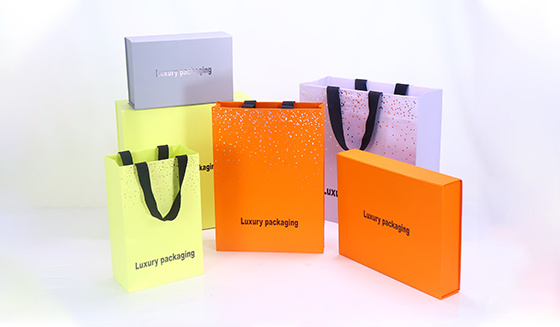
Sugarcane paper bags come in various styles, including flat bags, gift bags, and shopping bags. This versatility allows businesses to select packaging that perfectly fits their products.
2. Eco-Friendly Printing Techniques
Brands can utilize eco-friendly inks and printing techniques to further enhance the sustainability of their packaging. This commitment to environmentally friendly practices can be a powerful marketing tool.
3. Custom Branding
Custom branding on sugarcane paper bags not only boosts brand visibility but also communicates a brand's commitment to sustainability. Eye-catching designs can help attract customers and encourage impulse purchases.
Market Trends: The Growing Popularity of Eco-Friendly Packaging
The move towards sugarcane paper bags is part of a broader trend in the packaging industry, where consumers demand eco-friendly options. Here are some market trends driving the rise of sugarcane paper bags:
1. Increased Consumer Awareness
As consumers become more aware of the environmental implications of their purchases, they actively seek brands that prioritize sustainability. This awareness drives businesses to adopt eco-friendly packaging solutions.
2. Regulatory Pressures
Governments worldwide are implementing regulations to reduce plastic use. This shift encourages businesses to explore alternatives like sugarcane paper bags, aligning with regulatory requirements and consumer expectations.
3. Brand Loyalty and Consumer Preferences
Studies show that consumers are more likely to support brands that demonstrate a commitment to sustainability. By using sugarcane paper bags, businesses can foster brand loyalty and attract eco-conscious consumers.
How to Transition to Sugarcane Paper Bags
Transitioning to sugarcane paper bags requires careful planning and execution. Here are steps businesses can take to facilitate a smooth transition:
1. Assess Packaging Needs
Evaluate your current packaging requirements and identify the products that would benefit from sugarcane paper bags. Consider factors like size, style, and functionality.
2. Research Suppliers
Find reputable suppliers specializing in sugarcane paper bags. Ensure they adhere to sustainable practices in production and offer customization options to meet your branding needs.
3. Educate Customers
Inform your customers about the benefits of sugarcane paper bags and your commitment to sustainability. Marketing campaigns and in-store displays can effectively communicate this message.
4. Monitor Feedback
After the transition, gather feedback from customers about their experiences with sugarcane paper bags. Use this feedback to make necessary adjustments and improve the overall packaging experience.
Conclusion
The rise of sugarcane paper bags signifies a pivotal shift in the gift packaging industry towards sustainability and innovation. By embracing these eco-friendly alternatives, businesses can reduce their environmental impact, enhance their brand image, and meet the growing consumer demand for sustainable practices. As we redefine gift packaging, sugarcane paper bags stand out as a practical, attractive, and responsible choice. With their numerous benefits and customization opportunities, they not only serve as functional packaging solutions but also contribute to a healthier planet.
FAQs about Sugarcane Paper Bags
1. Are sugarcane paper bags waterproof?
Sugarcane paper bags are not inherently waterproof, but they can be treated with eco-friendly coatings to provide some level of water resistance. Always check with your supplier for specific options.
2. How long do sugarcane paper bags take to decompose?
Sugarcane paper bags can decompose within 90 to 180 days under the right composting conditions, significantly faster than traditional plastic bags.
3. Can sugarcane paper bags be recycled?
Yes, sugarcane paper bags can be recycled, although it is vital to check with local recycling facilities to ensure they accept them.
4. Are sugarcane paper bags more expensive than plastic bags?
While the initial cost of sugarcane paper bags may be higher, their long-term benefits, including reduced environmental impact and potential customer loyalty, can offset the cost.
5. How can I customize sugarcane paper bags for my brand?
Many suppliers offer options for custom printing, sizes, and styles to help brands create unique packaging that aligns with their marketing strategies.
sugarcane paper bag
CONTACT OUR TEAM
*Note: Please make sure to fill in the information accurately and maintain smooth communication. We will contact you as soon as possible