




-
Language

21
2026
-
10
Paper Boxes for Custom Packaging and Sustainable Business Solutions
Durable Paper Boxes Manufacturer Offering Custom Packaging Designs Strong Materials Eco Friendly Solutions Competitive Pricing and OEM Services
Introduction to Paper Boxes
As businesses increasingly focus on product presentation, transportation safety, and sustainable packaging, paper boxes have become an essential packaging solution across multiple industries. From retail products and cosmetics to electronics, gifts, food packaging, and e-commerce shipments, paper boxes combine practical protection with flexible design possibilities. Their customizable structures, printing options, and material choices allow businesses to create packaging that meets functional requirements while strengthening brand recognition.
For manufacturers, wholesalers, retailers, and private-label brands, selecting suitable paper boxes can improve product organization, enhance the customer experience, and support efficient distribution. Whether used for lightweight consumer goods or premium gift items, well-designed paper packaging helps businesses balance appearance, durability, and cost.
Key Advantages of Paper Boxes
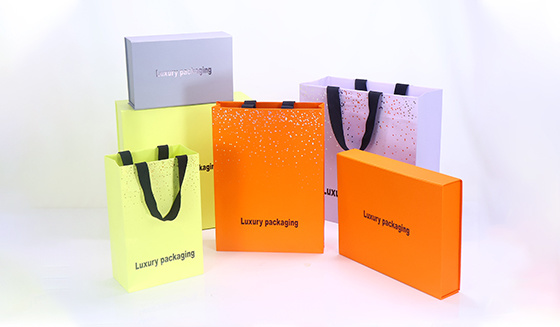
One of the main advantages of paper boxes is their versatility. They can be manufactured in different shapes, sizes, thicknesses, and structural designs to accommodate various products. Folding cartons are suitable for many retail applications because they can be shipped flat and assembled when needed. Rigid paper boxes offer a more substantial structure and are often selected for luxury products, gift sets, and premium packaging.
Paper boxes can also be customized with different printing and finishing techniques. Businesses may choose brand logos, product information, illustrations, and promotional messages to create a distinctive appearance. Finishing options such as matte or gloss lamination, embossing, debossing, and foil stamping can add visual interest when appropriate for the product and budget.
In addition to appearance, paper packaging can support practical storage and handling. Properly designed boxes help organize products, simplify labeling, and improve packing efficiency. The right structure can also reduce unnecessary packaging volume during transportation.
Materials and Structural Design
Material selection plays an important role in paper box performance. Common options include paperboard, corrugated board, kraft paper, and specialty paper materials. Paperboard is widely used for retail cartons, while corrugated board offers cushioning and structural support for shipping applications. Kraft paper provides a natural appearance that may suit brands seeking a simple, understated packaging style.
The appropriate material depends on product weight, fragility, storage conditions, transportation distance, and expected handling. For heavier products, manufacturers may recommend reinforced structures or stronger board grades. Fragile items may require inserts, dividers, or cushioning components to reduce movement inside the package.
Box structure should also match the packaging process. Folding cartons, drawer-style boxes, magnetic-closure boxes, and two-piece rigid boxes serve different purposes. Buyers should evaluate opening convenience, assembly requirements, storage efficiency, and product accessibility before choosing a design.
Applications Across Different Industries
Retail and Consumer Goods
Retail paper boxes are used for accessories, household products, stationery, toys, and many other consumer goods. Clear product information and attractive graphics can help customers identify products and recognize brands on store shelves.
Cosmetics and Personal Care
Cosmetic brands often use customized paper boxes to package skincare products, makeup, fragrances, and personal care accessories. Carefully selected colors, printing, and finishing can support a consistent brand image while helping organize individual products.
E-commerce and Shipping
Online retailers need packaging that can withstand sorting, handling, and transportation. Corrugated paper boxes are frequently used for shipping because their structure can provide protection when appropriately selected. Correct sizing can help limit product movement and avoid excessive void space, while suitable inserts may offer additional protection for delicate goods.
Gifts and Premium Products
Gift packaging often emphasizes appearance and presentation. Rigid paper boxes, decorative sleeves, and custom inserts can create a more refined unboxing experience. These designs are commonly considered for corporate gifts, jewelry, specialty products, and seasonal promotions.
Customization and OEM Manufacturing
For businesses seeking differentiated packaging, working with a reliable paper box manufacturer can provide access to customized dimensions, structures, printing, materials, and finishing options. OEM services may support private-label packaging with company logos, product information, barcodes, and tailored packaging specifications.
Before mass production, buyers should confirm artwork files, color requirements, material grades, box dimensions, and finishing details. Sampling is especially useful for checking structural strength, print quality, folding accuracy, and the fit of the packaged product.
Order quantity, production lead time, and packaging method should also be discussed in advance. Clear specifications help reduce communication errors and improve consistency across repeat orders.
Sustainable Paper Packaging Considerations
Paper boxes can support packaging strategies that prioritize renewable fiber resources and recyclability. However, their environmental performance depends on the paper source, coatings, adhesives, inks, product protection requirements, and local recycling infrastructure. Plastic laminations or mixed materials may affect recyclability, so businesses should confirm the properties of the finished package rather than assume every paper box is recyclable.
Using appropriately sized packaging and avoiding unnecessary layers can help reduce material consumption. Buyers may also ask manufacturers about recycled content, responsible sourcing, and available material certifications when these factors are important to their market.
Frequently Asked Questions
Q1: What products can paper boxes package?
Paper boxes can package cosmetics, gifts, electronics, clothing accessories, food products, household goods, and many other items. Material and structure should match the product requirements.
Q2: Can paper boxes be customized with a company logo?
Yes. Depending on production capabilities, manufacturers can offer customized printing, colors, dimensions, inserts, and finishing options.
Q3: Which paper box material is best for shipping?
Corrugated board is commonly used for shipping because it provides structural support and cushioning. The required board strength depends on product weight and transportation conditions.
Q4: Are paper boxes environmentally friendly?
They can support more sustainable packaging choices when materials are responsibly sourced and the finished packaging is compatible with local recycling systems.
Q5: What should buyers confirm before placing an order?
Buyers should check dimensions, material specifications, printing, finishing, sample quality, minimum order quantity, production time, and packaging requirements.
Conclusion
Paper boxes offer flexible packaging solutions for retail, e-commerce, gifts, cosmetics, and industrial distribution. By combining suitable materials, functional structures, and customized branding, businesses can improve product protection and presentation while meeting different packaging needs. Choosing an experienced manufacturer and confirming specifications before production helps ensure consistent quality, efficient purchasing, and packaging that supports long-term business development.

paper box packaging ,design paper box
Previous Page
Previous Page
CONTACT OUR TEAM
*Note: Please make sure to fill in the information accurately and maintain smooth communication. We will contact you as soon as possible