



-
Language

03
2025
-
01
Eco-Friendly Choices: Why Paper Bags for Food Are the Future
Eco-Friendly Choices: Why Paper Bags for Food Are the Future In today's world, where sustainability has become a pressing concern, the importance of choosing eco-friendly packaging solutions cannot be overstated. One of the standout options in this realm is the humble paper bag. As consumers become increasingly aware of environmental issues, businesses are turning to paper bags as a viable solutio
Eco-Friendly Choices: Why Paper Bags for Food Are the Future
In today's world, where sustainability has become a pressing concern, the importance of choosing eco-friendly packaging solutions cannot be overstated. One of the standout options in this realm is the humble paper bag. As consumers become increasingly aware of environmental issues, businesses are turning to paper bags as a viable solution for food packaging. This article delves into the various reasons why paper bags are heralded as the future of food packaging, exploring their benefits, practicality, and impact on the planet.
The Rise of Sustainable Packaging
As environmental awareness grows, the demand for sustainable packaging solutions is on the rise. Consumers are actively seeking alternatives to traditional plastic packaging, which has garnered significant criticism due to its contribution to pollution and waste. Paper bags offer a promising solution, aligning with the values of eco-conscious consumers.
Understanding the Environmental Impact of Plastic
The detrimental effects of plastic on the environment are well-documented. Plastic bags take hundreds of years to decompose, contributing to landfill overflow and ocean pollution. In contrast, paper bags are biodegradable and decompose much more rapidly, making them a more sustainable option.
The Role of Paper Bags in Reducing Waste
By switching to paper bags, businesses can significantly reduce their waste footprint. Unlike plastic, which can persist in ecosystems for generations, paper bags break down naturally, resulting in less long-term waste and less risk to wildlife.
The Benefits of Paper Bags for Food Packaging
Switching to paper bags for food packaging comes with a plethora of benefits. Below, we explore the most significant advantages of using paper bags in the food industry.
1. Biodegradability and Compostability
One of the most significant advantages of paper bags is their biodegradability. Made from renewable resources, paper bags can decompose within a few months when exposed to the right conditions. This natural breakdown process helps return nutrients to the soil, creating a closed-loop system beneficial to the environment.
2. Lightweight and Strong
Despite their lightweight nature, paper bags are surprisingly strong and durable. They can carry heavy loads without compromising the integrity of the bag, making them an ideal choice for food packaging. This strength ensures that food remains secure during transport, reducing the likelihood of spills and waste.
3. Versatile Design Options
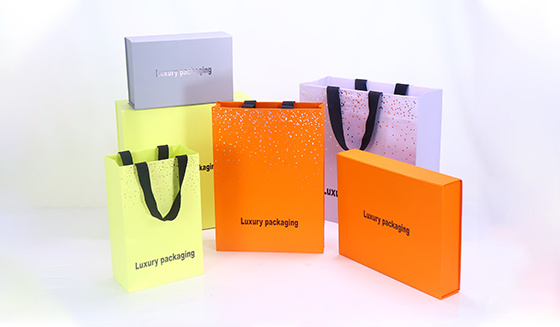
Paper bags come in various designs and sizes, making them suitable for a wide range of food products. From grocery stores to restaurants, businesses can customize paper bags to meet their specific needs, enhancing brand identity while promoting sustainability. Custom printing options allow businesses to communicate their eco-friendly values effectively.
4. Safe for Food Contact
Paper bags are generally safe for food contact, as they are free from harmful chemicals often found in plastic materials. They can be treated with food-safe coatings to enhance moisture resistance, ensuring that food items remain fresh without compromising consumer safety.
5. Enhancing the Consumer Experience
Consumers appreciate the tactile experience of using paper bags. They exude a sense of quality and care that enhances the overall shopping experience. By incorporating sustainable packaging, businesses can foster a positive emotional connection with their customers, promoting brand loyalty.
Challenges of Transitioning to Paper Bags
While the benefits of paper bags are compelling, it's essential to acknowledge the challenges businesses may face when transitioning from plastic to paper.
1. Cost Considerations
In some cases, paper bags may incur higher costs than plastic bags. However, as demand for sustainable options rises, production costs are expected to decrease. Businesses must weigh the long-term benefits of sustainability against short-term expenses.
2. Availability and Supply Chain Issues
Securing a reliable supply chain for paper bags can pose challenges, especially for smaller businesses. However, many manufacturers are now focusing on sustainable practices, increasing availability and ensuring that businesses can source eco-friendly packaging.
Innovations in Paper Bag Technology
The packaging industry continually evolves with advancements in technology. Innovations in paper bag manufacturing are paving the way for even more sustainable solutions.
1. Water-Resistant Coatings
Recent developments in eco-friendly coatings allow paper bags to become more water-resistant without compromising biodegradability. This innovation ensures that food items remain protected from moisture, extending shelf life and reducing waste.
2. Enhanced Printing Techniques
Advanced printing techniques enable businesses to create vibrant, eye-catching designs on paper bags while using environmentally friendly inks. This innovation allows for better branding opportunities while maintaining sustainability.
Consumer Perception and Demand for Sustainable Options
Consumer attitudes toward packaging are changing significantly. As more people become aware of environmental issues, the demand for sustainable options continues to grow.
1. The Shift Toward Eco-Conscious Choices
Today's consumers prioritize eco-friendliness in their purchasing decisions. They are more likely to support brands that demonstrate a commitment to sustainability. By opting for paper bags, businesses can cater to this growing consumer base and enhance their brand image.
2. The Importance of Transparency
Consumers appreciate transparency regarding packaging materials and sourcing practices. Businesses that communicate their commitment to sustainability through the use of paper bags can build trust and loyalty among their customer base. Displaying messaging about the eco-friendliness of paper bags on packaging can further reinforce this connection.
Conclusion: The Future of Food Packaging is Paper
The shift toward eco-friendly packaging is more than just a trend; it's a necessity for the future of our planet. Paper bags stand at the forefront of this movement, offering sustainable, versatile, and consumer-friendly options for food packaging. By choosing paper over plastic, businesses can reduce their environmental impact while enhancing their brand identity and fostering customer loyalty. As innovations in paper bag technology continue to emerge, we can expect paper bags not only to prevail but to redefine the food packaging landscape in the coming years.
Frequently Asked Questions (FAQs)
1. Are paper bags more expensive than plastic bags?
While paper bags may have a higher upfront cost, they can provide long-term savings and benefits through enhanced brand loyalty and reduced environmental impact.
2. How long does it take for paper bags to decompose?
Paper bags typically decompose within a few months under natural conditions, making them a more sustainable option compared to plastic bags.
3. Can paper bags be used for wet food items?
Yes, many modern paper bags come with water-resistant coatings that make them suitable for wet or moist food items, ensuring that they remain intact and safe for consumption.
4. What are the environmental benefits of using paper bags?
Paper bags are biodegradable, reduce waste, and are made from renewable resources, contributing to a more sustainable environment compared to plastic bags.
5. How can businesses promote their use of paper bags?
Businesses can promote their use of paper bags by highlighting their eco-friendly practices in marketing materials, packaging, and through social media channels to engage with eco-conscious consumers.
paper bags for food
CONTACT OUR TEAM
*Note: Please make sure to fill in the information accurately and maintain smooth communication. We will contact you as soon as possible